How to Make Your Home Feel More Relaxing at the End of the Day
After a long day of work, errands, appointments, and other responsibilities, coming home should offer an opportunity to slow down and settle into a more comfortable routine. However, a home does not automatically feel relaxing simply because it is familiar, especially when unfinished chores, crowded rooms, and everyday distractions are waiting for your attention. Sometimes the living room feels too busy, the lighting is uncomfortable, or the spaces intended for resting have gradually become places where household items collect. These details may seem small individually, but together they can influence how comfortable you feel when trying to unwind. Creating a more relaxing home does not require expensive furniture, a complete redesign, or an unrealistic expectation that every room should remain perfectly organized. Often, the most useful improvements involve making ordinary spaces easier to use and reducing the things that interfere with your evening routine. Understanding how to make your home feel more relaxing starts with noticing which areas help you feel comfortable and which ones create unnecessary frustration. Small adjustments to lighting, furniture placement, storage, and daily habits can make familiar rooms more pleasant without changing their entire appearance. The goal is to create a home that supports the way you actually live while giving you a comfortable place to enjoy the quieter parts of your day.
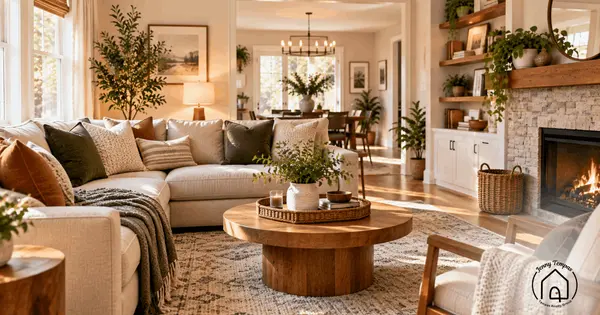
Lighting can influence how a room feels throughout the day, particularly when bright afternoon sunlight gives way to artificial lighting in the evening. A single overhead fixture may provide enough light for cleaning or completing household tasks, but it can feel unnecessarily harsh when you are sitting down to relax. Using table lamps, floor lamps, or adjustable fixtures allows you to create softer lighting while keeping brighter options available when needed. Warm-toned bulbs may create a more comfortable evening atmosphere for some households, although the best lighting depends on personal preferences and the activities taking place. Window coverings can also help manage glare, provide privacy, and make rooms feel more comfortable after sunset. Furniture arrangement deserves attention because a relaxing space should allow people to sit comfortably without navigating crowded walkways or awkwardly positioned tables. Consider whether your favorite chair receives enough light for reading, whether the sofa provides comfortable seating, and whether frequently used items are within easy reach. Soft blankets, supportive cushions, and familiar decorative pieces can add comfort without requiring an entirely new collection of furnishings. Making these practical changes can help your living areas feel more inviting while preserving the flexibility needed for everyday household activities.
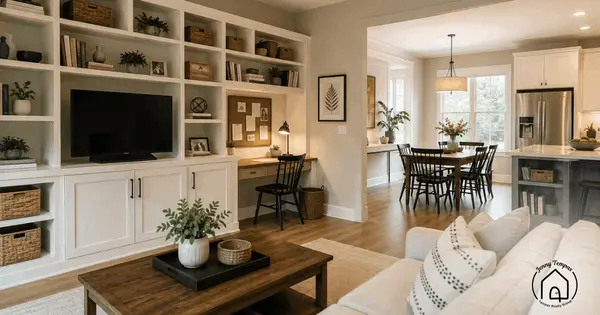
A home can feel difficult to relax in when the spaces you use most often are filled with belongings waiting to be put away. Kitchen counters covered with paperwork, shoes scattered near the entrance, and laundry piled on furniture can make ordinary rooms feel crowded even when they are otherwise clean. Addressing these areas does not mean spending hours organizing every closet or removing personal belongings that make the house feel like home. Instead, focus on the places where clutter repeatedly appears and consider whether those items have convenient storage locations. A basket near the entryway, a designated drawer for household paperwork, or accessible hooks for frequently used bags can prevent belongings from spreading across several rooms. Keeping side tables and other surfaces reasonably clear also creates more usable space for activities such as reading, enjoying a drink, or spending time with family. If you regularly leave items in a particular location, that may indicate the storage system needs to be adjusted rather than that you need to spend more time cleaning. A short evening routine can help maintain these improvements, but it should remain manageable enough to fit naturally into your schedule. Creating simple systems that reduce visual clutter can make your home easier to enjoy without turning organization into another demanding responsibility.
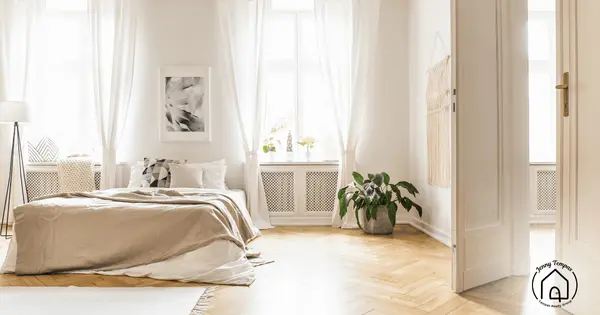
The way a home supports your routine can matter just as much as its furniture, colors, or decorative details. If you enjoy reading after dinner, having a comfortable chair, suitable lighting, and a nearby place for books can make that activity easier to enjoy. Someone who prefers quiet conversations with family may benefit from arranging seating so people can face one another instead of directing every chair toward a television. A bedroom that feels crowded with work materials, exercise equipment, or household storage may also benefit from clearer boundaries between activities. If you work from home, putting away work supplies or closing off a dedicated workspace can help distinguish working hours from personal time. Sound is another consideration, especially in households where televisions, appliances, and conversations occur in nearby rooms. Rugs, curtains, upholstered furniture, and thoughtful room arrangements may help reduce some unwanted noise, although their effectiveness depends on the space and materials involved. Outdoor areas can also provide opportunities to unwind, whether that means sitting on a patio, tending a small garden, or spending a few minutes outside when conditions are comfortable. Rather than copying a particular decorating style, choose adjustments that make your preferred evening activities more convenient and enjoyable.
Making your home feel more relaxing does not require transforming every room into a carefully decorated retreat. Often, the most helpful improvements are the ones that remove small frustrations and make ordinary routines more comfortable. Better lighting, practical storage, thoughtful furniture arrangements, and comfortable seating can change how you experience familiar spaces. It also helps to consider which activities allow you to unwind and whether your home makes those activities easy to enjoy. A peaceful environment does not have to be silent, perfectly organized, or decorated in neutral colors to feel comfortable. Every household has different preferences, and the right atmosphere depends on the people who live there. Start with one area that feels unnecessarily busy or uncomfortable and make a few changes before deciding whether anything else needs attention. Over time, these adjustments can help create a home that supports both the active and quieter parts of daily life. If you are considering buying or selling a home, a knowledgeable local real estate professional can help you evaluate spaces that fit your lifestyle and everyday needs.
Recent Posts